How to Build an Emergency Fund (Even on a Tight Budget)
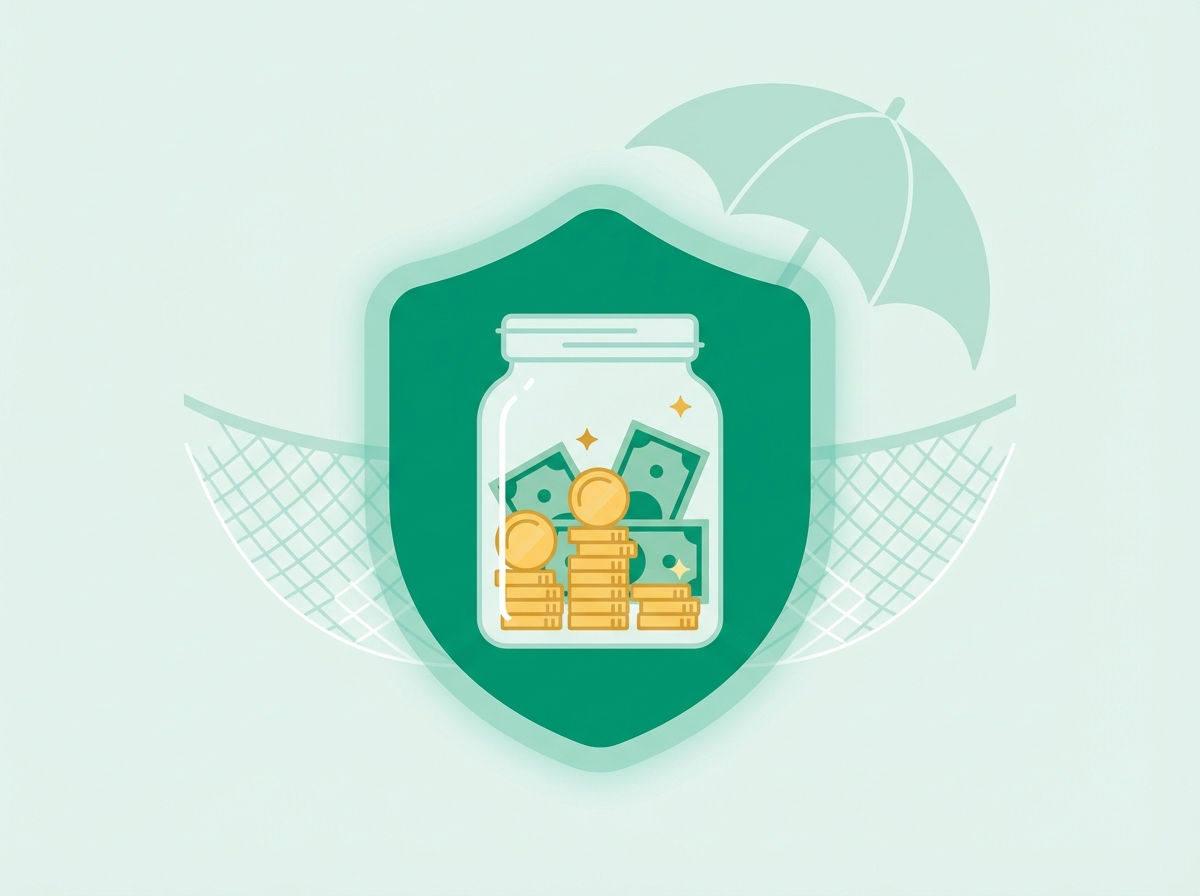
An emergency fund isn’t exciting. It won’t make you rich. But it’s the single most important thing standing between you and financial disaster. Without one, every unexpected expense becomes a crisis—a broken car, a medical bill, a job loss—and crises lead to debt spirals that take years to escape.
Why Emergency Funds Matter More Than Investing
This might sound backwards. Shouldn’t you invest to build wealth? Yes—eventually. But investing without an emergency fund is like building a house without a foundation. One unexpected expense forces you to sell investments at a loss or rack up credit card debt at 20%+ interest.
Consider this: the average American faces $1,000-$2,000 in unexpected expenses per year. Without savings, that goes on a credit card. At 22% APR with minimum payments, a $1,500 emergency takes 7 years and $1,900 in interest to pay off. Your $1,500 problem just became a $3,400 problem.
An emergency fund breaks this cycle permanently.
How Much Do You Actually Need?
The standard advice is 3-6 months of essential expenses. That’s solid advice, but it can feel overwhelming when you’re starting from zero. Here’s a more practical approach:
Stage 1: The Starter Fund — $1,000
This covers most common emergencies: car repairs, appliance replacements, minor medical bills. Getting to $1,000 should be your first financial priority—before extra debt payments, before investing, before everything else.
Stage 2: One Month of Expenses
Calculate your essential monthly costs (rent, utilities, food, transportation, insurance, minimum debt payments). This is your next target. One month gives you breathing room for short-term disruptions.
Stage 3: Three to Six Months of Expenses
This is the full emergency fund. How many months depends on your situation:
- 3 months if you have a stable job, dual income household, or high-demand skills
- 6 months if you’re single income, self-employed, work in a volatile industry, or have dependents
- 9-12 months if you’re approaching retirement or have irregular income (freelancers, commissioned salespeople)
Where to Keep Your Emergency Fund
Your emergency fund needs to be two things: accessible and safe. This rules out investments (too volatile) and checking accounts (too tempting to spend).
Best option: High-yield savings account (HYSA)
- Currently earning 4-5% APY (compared to 0.01% at traditional banks)
- FDIC insured up to $250,000
- Accessible within 1-2 business days
- Separate from your daily spending accounts (reduces temptation)
Top options include Marcus by Goldman Sachs, Ally Bank, and Capital One 360. The rate matters less than actually opening the account and funding it.
Avoid: CDs (penalties for early withdrawal), money market funds (can fluctuate), your mattress (no interest, not insured), crypto savings accounts (not safe).
7 Strategies to Build Your Fund Fast
1. Automate First, Budget Second
Set up an automatic transfer from checking to your HYSA on payday. Start with whatever you can—$25, $50, $100. The amount matters less than the consistency. You’ll adjust to living on slightly less faster than you think.
2. Sell What You Don’t Use
Most people have $500-$2,000 worth of unused items sitting in closets and garages. Old electronics, clothes you haven’t worn in a year, exercise equipment collecting dust. List them on Facebook Marketplace, eBay, or Poshmark. This alone can get you to your $1,000 starter fund.
3. Redirect Windfalls
Tax refunds, birthday money, work bonuses, cashback rewards—anything that isn’t your regular paycheck goes straight to the emergency fund. The average tax refund is around $3,000. That’s three months of savings accomplished in one move.
4. Cut One Recurring Expense
Pick the subscription or recurring cost you’d miss least and cancel it. Redirect that exact amount to savings. A $15/month streaming service becomes $180/year in your emergency fund. A $50/month gym membership you barely use becomes $600/year.
5. Use the 24-Hour Rule for Purchases Over $50
Wait 24 hours before any non-essential purchase over $50. You’ll find that 50-70% of the time, the impulse passes. Transfer what you would have spent to savings instead.
6. Pick Up Temporary Extra Income
Dedicate all side income to your emergency fund until it’s fully funded. Drive for a rideshare service, freelance your professional skills, tutor, pet-sit—whatever fits your schedule. Even 5-10 hours per week of extra work can fund your emergency savings within a few months.
7. Save Your Raises
When you get a raise, pretend you didn’t. Continue living on your previous salary and route 100% of the increase to savings. A 3% raise on a $50,000 salary is $125/month—enough to build a full emergency fund within a year or two.
What Counts as an Emergency?
This is where most people go wrong. An emergency fund is not a vacation fund, a holiday shopping fund, or a “I really want this” fund. Clear definitions prevent fund raids:
Emergencies:
- Job loss or significant income reduction
- Medical or dental emergencies
- Essential car repairs (not upgrades)
- Critical home repairs (roof leak, broken furnace)
- Emergency travel (family crisis)
Not emergencies:
- Sales or deals (“but it’s 50% off!”)
- Vacations or trips
- Holiday or birthday gifts
- New phone because yours is “slow”
- Cosmetic car or home improvements
For predictable irregular expenses (car maintenance, holiday gifts, insurance premiums), create separate sinking funds. Don’t contaminate your emergency fund with expected costs.
What to Do After You Use It
When an emergency hits and you dip into the fund—that’s exactly what it’s for. Don’t feel guilty. That’s the whole point.
After the emergency passes, make replenishing the fund your top priority. Pause extra debt payments and investment contributions temporarily if needed. Get the fund back to its target level, then resume your other financial goals.
The Bottom Line
An emergency fund is boring. It sits there doing nothing most of the time. That’s exactly why it works. When life inevitably throws something unexpected at you, you’ll handle it calmly with cash instead of panic with credit cards.
Start with $1,000. Automate the contributions. Don’t touch it unless it’s a real emergency. That’s it. The peace of mind is worth far more than any return you’d get investing that money instead.